As farms consider robotic milking, one of the first major questions they need to ask is, “Do I build a new facility, or can I retrofit my existing barn?” It’s a conversation we have often, especially as the economics of dairy farming continue to challenge producers. In many cases (though not always), retrofitting can be a more cost-effective way to transition to robotic milking.
When we begin discussing a retrofit, we also work to set realistic expectations. Depending on the existing layout and barn configuration, farms may not be able to milk 55–60 cows per robot or achieve the number of daily visits they were hoping for. In some cases, the workflow may require a little more labor. Compromises are often part of the process, and it’s up to each individual farm to decide whether those tradeoffs are worth the potential cost savings.
Here are a few of the key topics we discuss when determining whether a retrofit is the right fit. While these considerations apply to any robotic milking project, they’re especially important when evaluating the true cost and long-term success of a retrofit.
Cow Flow
Can we place the robots in a location that provides adequate space for smooth cow flow? In a new build, we typically prefer about 16 feet of open space around the robot. While that isn’t always possible in a retrofit, there are practical limits. Tight spaces can make it more difficult for timid cows to access the robot.
In some retrofit layouts, the robots may be located outside where the free stalls and feed bunk are located. In these instances, careful consideration should be given to the natural flow of a cow in her daily routine.
Infrastructure Needs
Robotic milking systems require manure drains, floor drains, water hookups, electrical service, and more. In many cases, that means removing existing concrete. We also need to plan for feed augers, milk pipelines, and adequate clearance for equipment movement.
Questions we commonly ask include:
- Where will the Central Unit and chemical storage be located?
- Can the existing milk house be utilized or is the distance and available space going to require a new one?
Thinking through these details early helps avoid costly surprises later.
Construction While the Farm Keeps Running
Existing parlor holding areas often seem like an ideal place to install robots—until we begin working through the logistics of continuing to milk cows while construction blocks access to the parlor.
Building around an active herd can increase both construction and installation costs. Cows are naturally curious, and working safely around them requires additional planning and coordination.
Workflow After Startup
Once the robots are installed, how will daily chores change?
Free stalls still need to be bedded. Manure still needs to be scraped. Feed still needs to be delivered and pushed up. A successful robot layout allows these tasks to be completed with minimal disruption to both the cows and the robots.
Additional Lely automation such as the Lely Vector, Juno and Collector, can help streamline daily routines and reduce labor demands even further.
Environmental Considerations
Robot room placement can have a significant impact on barn ventilation and year-round performance.
It’s important to think through seasonal conditions as well. If a robot is located in one of the colder areas of the barn, what additional winterization measures will be needed? Planning ahead helps protect the equipment and ensures continued success through the winter months.
Every Barn Is Different
Across our dealership, we’ve completed a wide variety of retrofit projects—from tie-stall barns and four-row free stall barns to more conventional six-row free stall facilities, and just about everything in between.
Every farm presents a unique opportunity. That’s why it’s important to evaluate all available options and, sometimes, think a little outside the barn.
One of the biggest keys to success in planning any robotic milking layout—whether it’s a retrofit or a new build—is a consultation with our Farm Management Support (FMS) Advisor, Kayla Brody. By combining her expertise, your vision, and our sales team’s experience, we can help you visualize what’s possible and develop a robotic milking solution that fits your operation.
Check out a few of our Retrofit Layouts below:
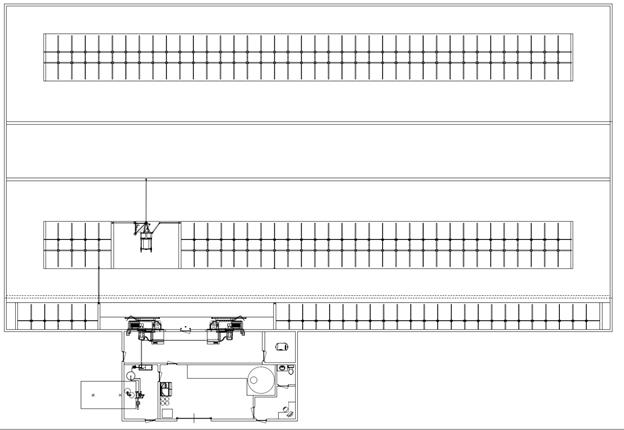
4 Row Free Stall barn with 5th row and robots added. Head-to-head robots with sorting through a Lely Grazeway.
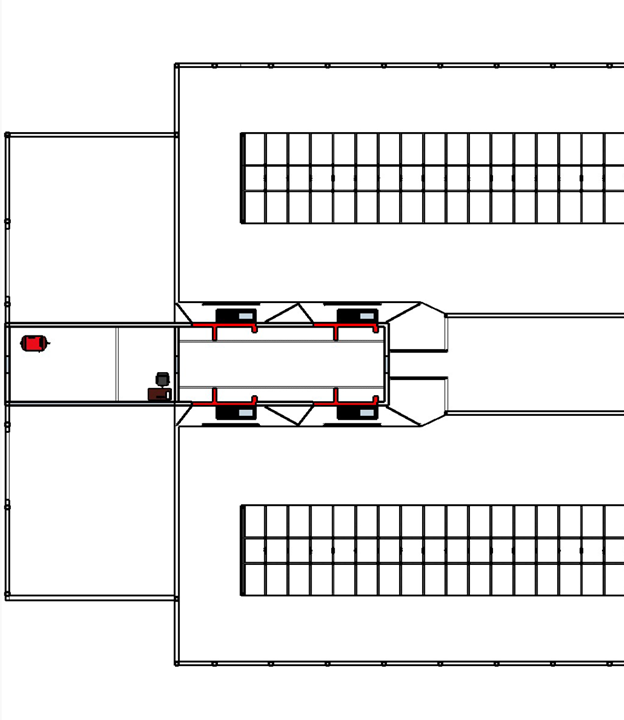
4 Row Freestall Retrofit.
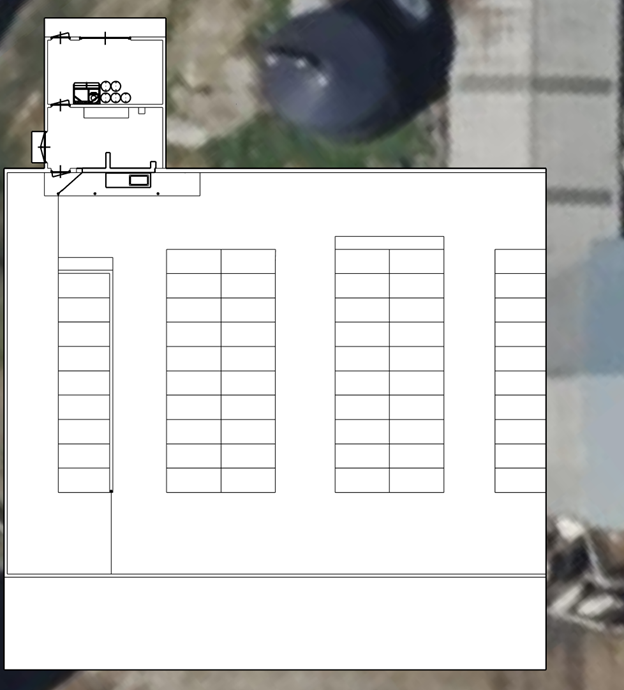
Single Robot Retrofit
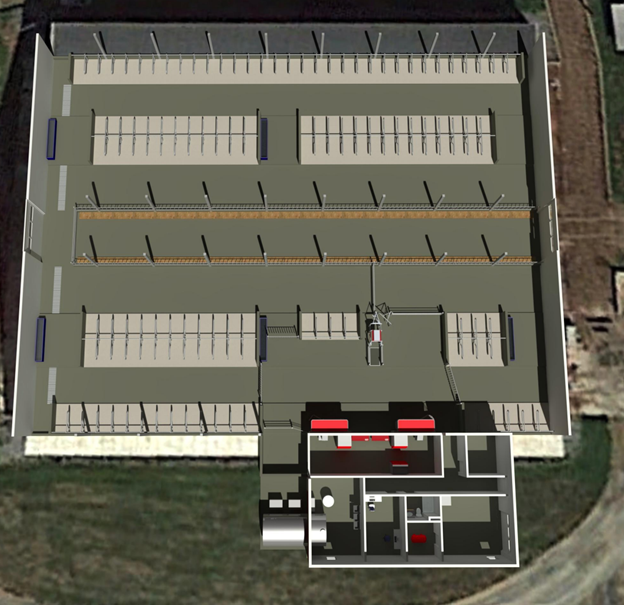
6 Row Retrofit
Want to discuss what a retrofit layout would look like at your farm? Give our office a call at 717-656-3307 and ask to speak with your local Lely Salesperson.